Manual Therapy for Herniated Disc Treatment
Manual therapy is an effective method to reduce pain in herniated disc complaints. Improve your quality of life with techniques applied by experts.
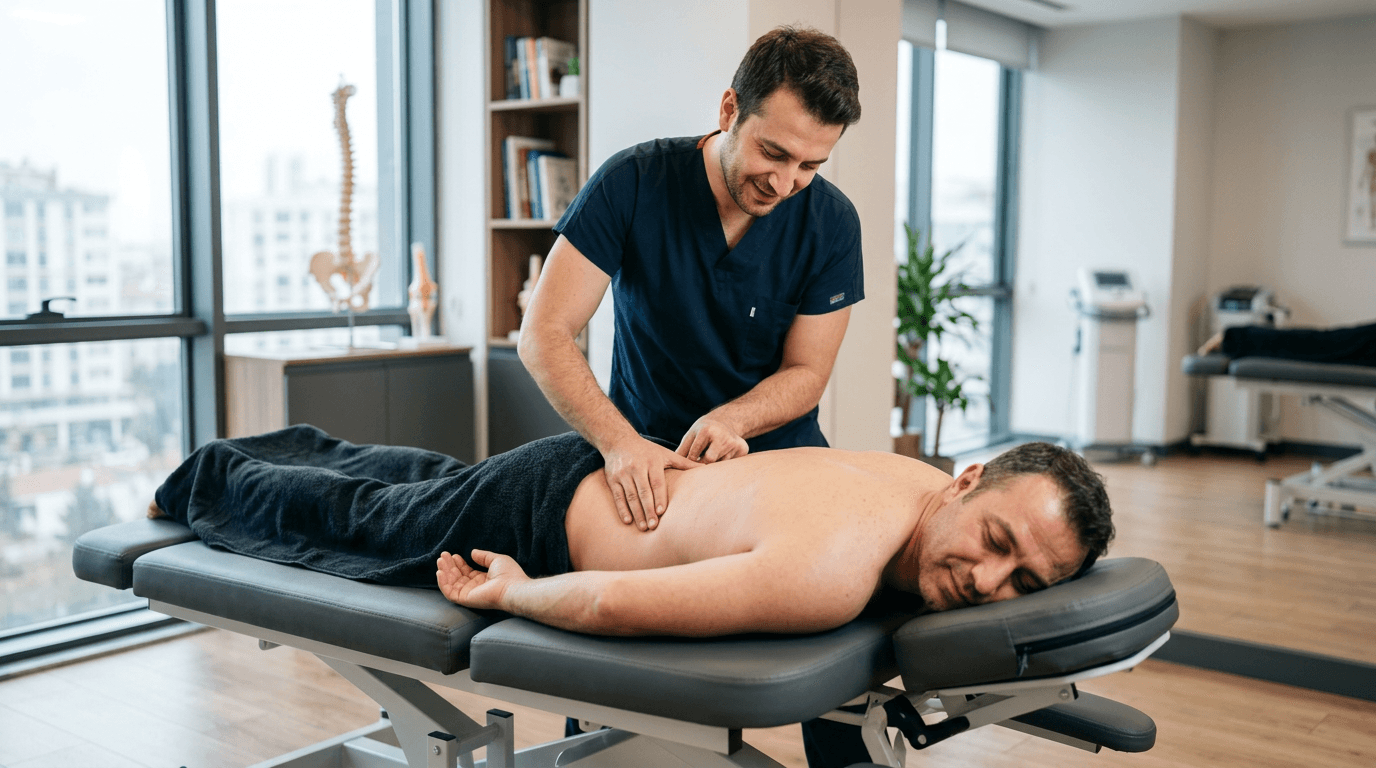
Manual Therapy Approach for Herniated Disc Complaints
A herniated disc is a condition characterized by the displacement or damage of the discs between the vertebrae, which puts pressure on the nerves. Manual therapy for herniated disc is an effective physical therapy method that involves special techniques applied only with the hands, without using any devices or medication. This method focuses on the source of the pain by correcting the body's biomechanics.
The application process is planned individually according to the patient's general health status and the level of the hernia. Expert therapists perform specific maneuvers to eliminate joint restrictions and resolve muscle spasms. In this way, it is aimed to relieve the pressure on the nerve and increase mobility.
Key Advantages of Manual Therapy
There are many advantages offered by manual therapy compared to traditional methods. Especially in cases that do not require surgical intervention, this method is preferred so that the patient can return to daily life quickly. Here are some prominent benefits of manual therapy:
Provides pain control without the need for medication.
Eliminates movement restriction by increasing the flexibility of the muscles.
Supports tissue healing by accelerating blood circulation.
Reduces the risk of recurrence by correcting body posture.
Increases quality of life with its potential to give fast results.
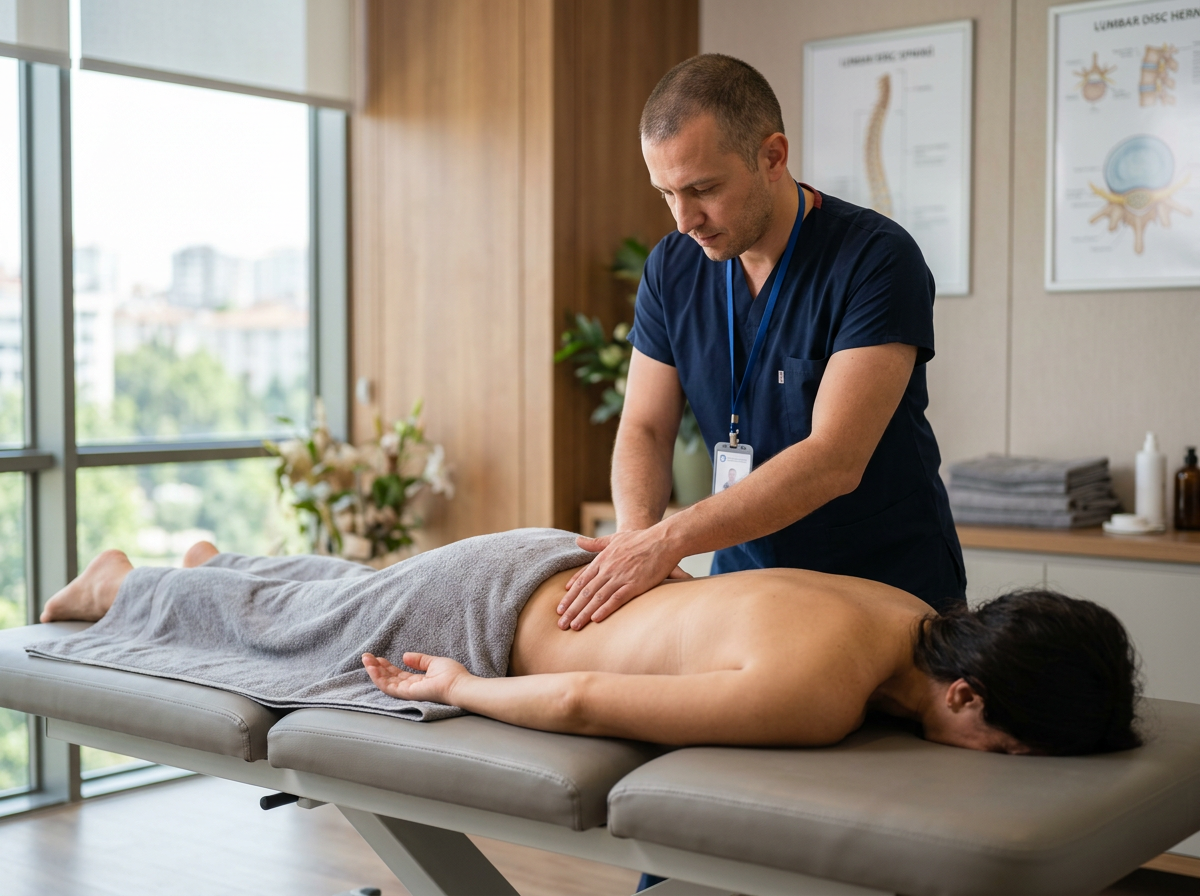
Manual Therapy Approach for Herniated Disc Complaints
Applied Techniques and Process
The techniques applied during manual therapy sessions vary according to the severity of the pain felt by the patient and the location of the hernia. Generally, two main methods called mobilization and manipulation are emphasized. While mobilization ensures the stretching of joints with slow and rhythmic movements; manipulation involves faster and short-term thrusting movements.
The treatment process should not be limited to sessions only. Your therapist will provide special exercises you need to do between sessions and advice on correcting posture disorders. Personalized exercise programs are one of the most important elements that make the success of manual therapy permanent.
Who Is It Suitable For?
Although manual therapy is a suitable option for many patients with a herniated disc, each case should be evaluated individually. Especially in individuals with severe osteoporosis, advanced nerve damage, or acute inflammatory conditions, a detailed clinical examination is required before application. The process started with the approval of an expert physiotherapist or doctor gives the safest and most effective results.
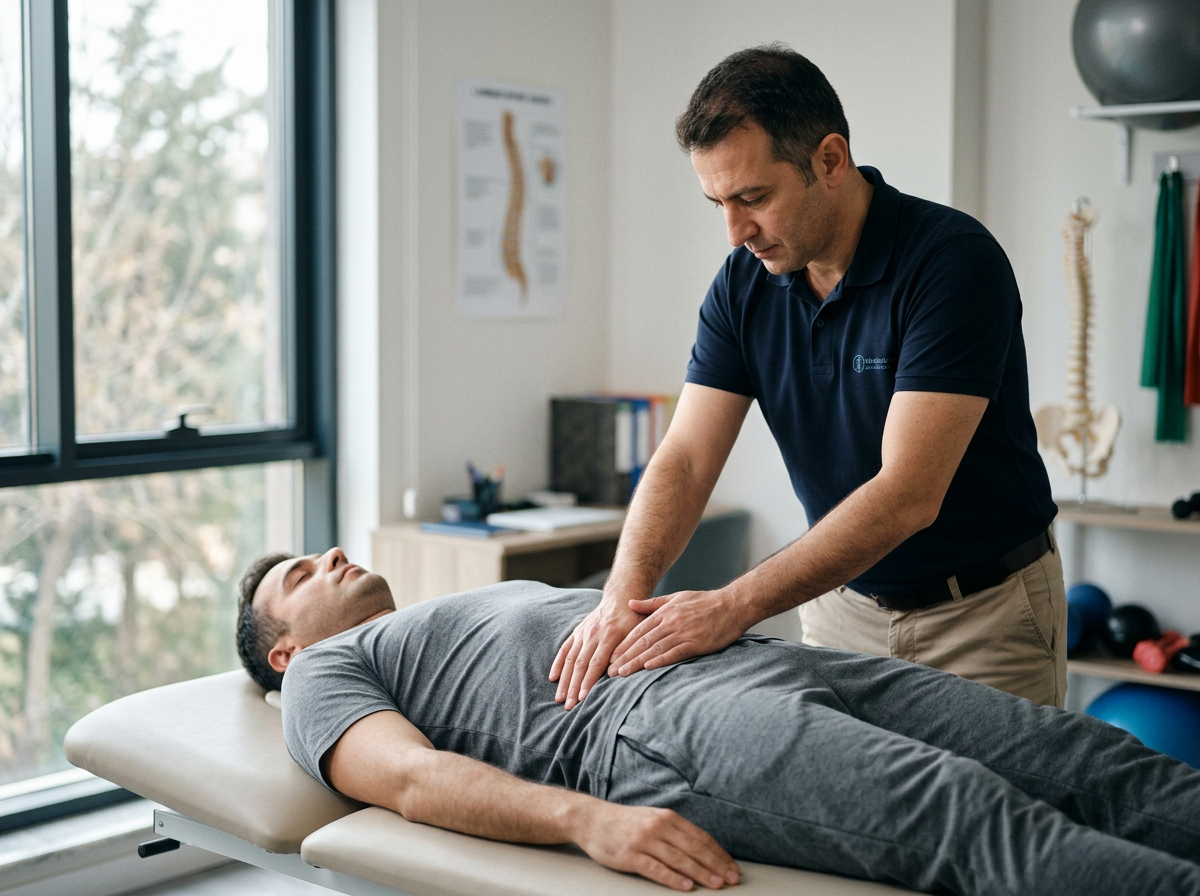
Applied Techniques and Process
Points to Consider
Manual therapy must be applied by professionals trained in this field. Incorrectly performed maneuvers can worsen the condition of the hernia or lead to unwanted injuries. Therefore, it is vital to be sure of the competence of the center and the expert where you will receive treatment.
Share your current MRI or X-ray results before treatment.
Inform your therapist immediately of any discomfort you feel during the session.
Perform the home exercises recommended by your therapist without interruption.
Avoid heavy lifting and sudden movements in daily life.
In conclusion, manual therapy for herniated disc offers a non-surgical, natural, and effective solution in the fight against back pain. With the right techniques and a disciplined approach, it is possible to get rid of your back pain and return to your old active days. Remember that early diagnosis and correct intervention are the biggest keys to the healing process.
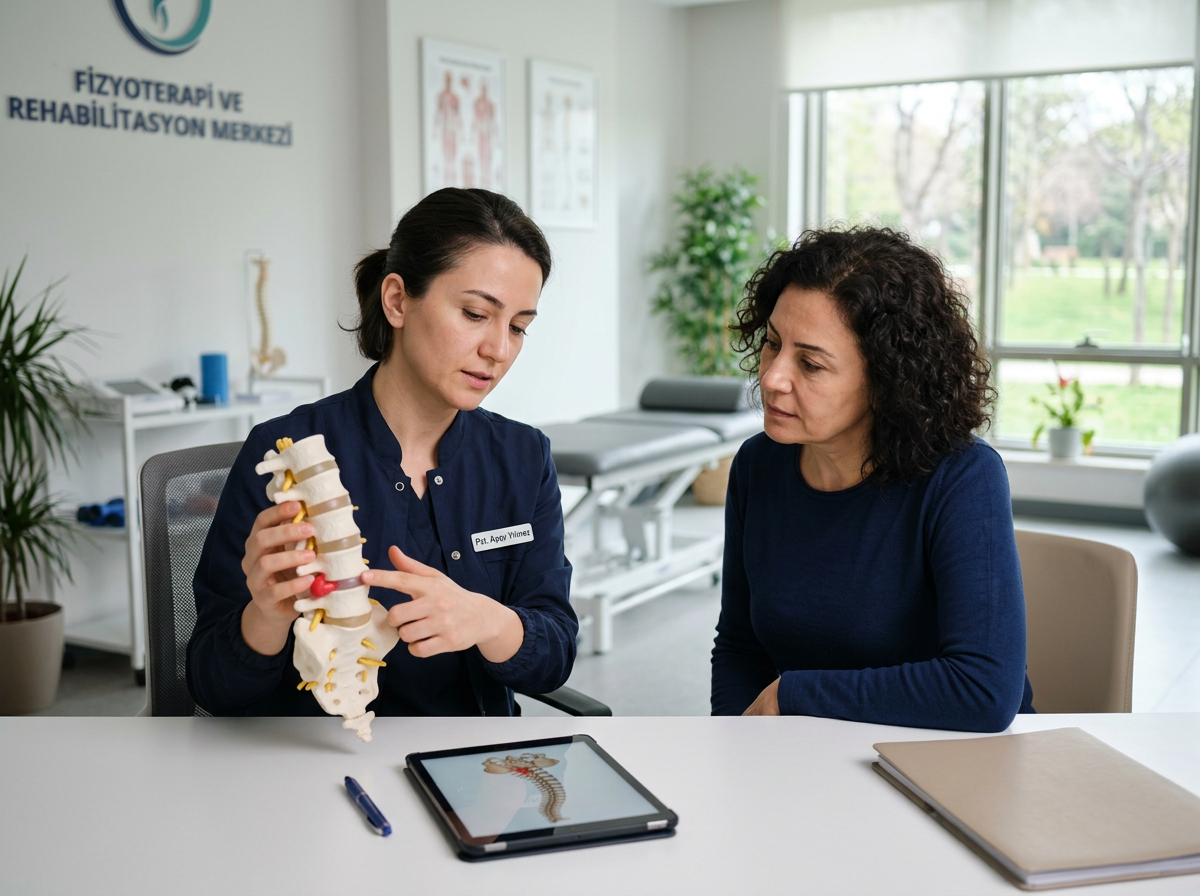
Points to Consider
Let us talk about the right next step for you
The information here gives a general frame. For your individual situation, we can have a short conversation and explain what may be needed.
Related Content
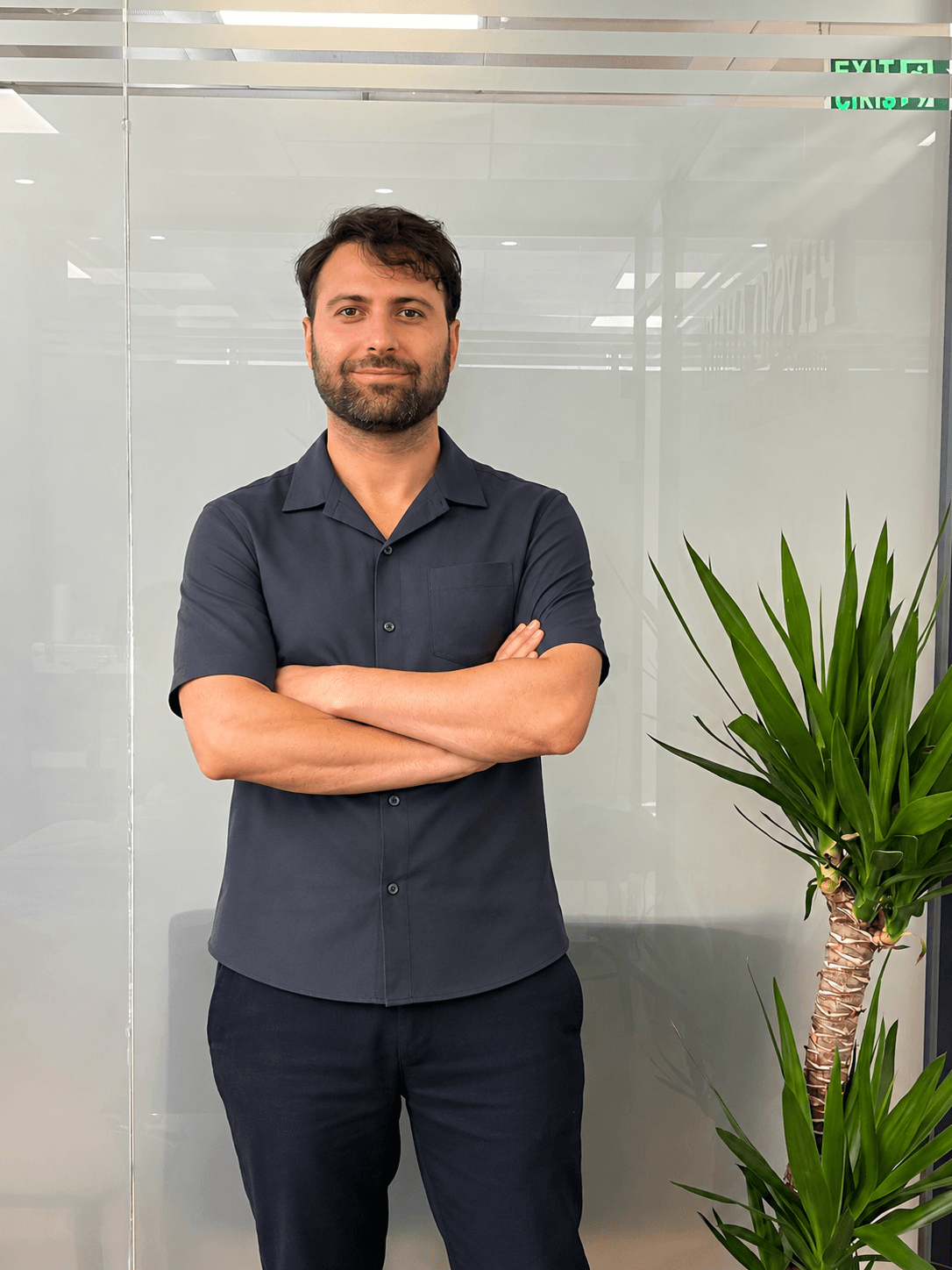
İstanbul Fizyoterapist Ahmet Yıldırım
Omurga Problemleri

İstanbul Fizik Tedavi Merkezleri Nasıl Değerlendirilir?
Kas ve Yumuşak Doku Problemleri · Manuel Terapi
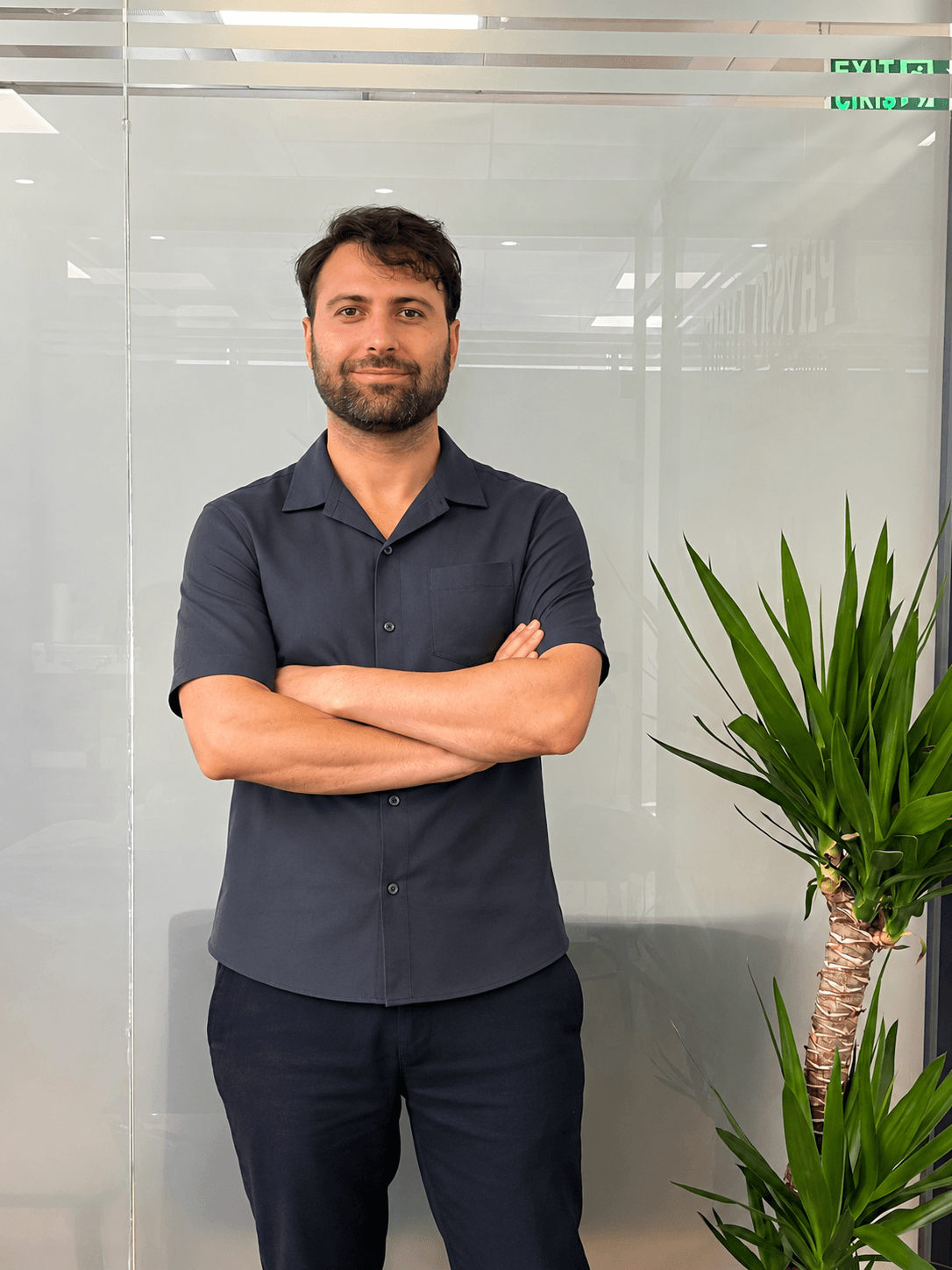
Şişli Fizyoterapist Ahmet Yıldırım
Omurga Problemleri
Reviews
A selection from verified experiences.
Emre Gözükara
GoogleMayıs 2026
Öncelikle herkese çok gecmis olsun 2023 tarihinde hoca fıtık ameliyati olucaksin demisti fakat ben ameliyattan korkan bir insann oldugum icin bir cok arastirma sonucu ahmet hocayi buldum hocamdan allah razi olsun beni ameliyattan kurtardi . Ayrica calisanlar güler yüzlü kibar insanlar . Tesekkurler
aykut aydoğdu
GoogleMayıs 2026
İlk gittiğimde ağrılarım oldukça fazlaydı bel ağrisindan yürüyemiyordum bile uygulanan tedavi ve yönlendirmeler sayesinde kısa sürede farkı hissettim ve 2 ci gün ayağa kalktm Ahmet bey işinde çok ilgili, sabırlı ve açıklayıcıydı. Süreç boyunca kendimi güvende hissettim. Kesinlikle tavsiye ederim.
cenk demiray
GoogleMayıs 2026
Ahmet hoca ve ekibi gercekten cok basarililar. Herhangi bir agriya en etkili tedavi metodunu bulur ve uygularlar. Kendilerine tesekkur ediyorum.
Memik ÇAĞLAR
GoogleMayıs 2026
İlgisi, deneyimi,İşini ciddiyetle yapması, Sınırlarını muhafaza etmesi ve merkezi yerde olması sebibi ile çok memnun kaldığımı ifade ederek ilgilenenleri doğru bilgilendirmek istedim.
Kaan Beyazkılınç
GoogleMayıs 2026
"Yaklaşık iki yıldır Fizyoterapist Ahmet Bey ile tedavi sürecime devam ediyorum ve bu süre zarfında katettiğimiz yol gerçekten inanılmaz. Ahmet Bey ile tanışmadan önce pek çok doktor ve fizyoterapiste başvurdum ancak maalesef kalıcı bir sonuç alamamıştım. Yollarımız Ahmet Bey ve ekibiyle kesiştiği günden beri sadece sağlığımda değil, yaşam kalitemde de büyük bir değişim oldu. Klinikteki tüm ekip işini gerçekten çok profesyonelce, titizlikle ve güler yüzle yapan bir kadro. Sadece bana değil; anneme, babama ve kardeşime de destek olarak adeta ailemizin fizyoterapisti oldular. Kendi sağlık durumumdan bahsetmem gerekirse; bel fıtığı, lordoz, omurgamda stres kırığı ve bel kayması gibi zorlu bir tabloyla sürece başladık. Eskiden spor yapmak benim için imkansızken, şimdi Ahmet Bey ve ekibinin gözetiminde sporu da hayatıma dahil ederek ilerliyoruz. Her şeyi zamana yayarak, doğru adımlarla çözüme ulaştık. Başta Ahmet Bey olmak üzere tüm ekibe sonsuz teşekkür ederim"